
Dashboard Warning Lights Explained
Most warning lights are colour-coded by urgency. This guide explains what the common symbols mean, what the colours tell you, and what to do — written by an independent diagnostics specialist.
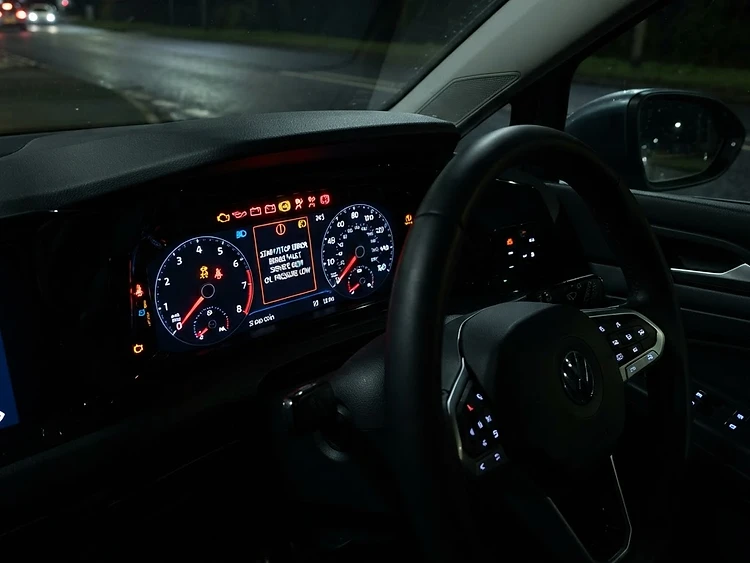
Red
Danger. Stop or pull over as soon as it is safe and investigate.
Amber
Caution. Something needs checking — keep driving gently and book it in.
Green / Blue
Information. A system is switched on or operating normally.
Red — stop & investigate
A red light means stop as soon as it is safe. Continuing to drive can cause expensive damage or become unsafe.

Oil pressure
StopEngine oil pressure has dropped dangerously low.
What to do: Stop as soon as it is safe and switch off. Check the oil level; do not drive with this light on — serious engine damage can happen in seconds.

Engine temperature / coolant
StopThe engine is overheating.
What to do: Stop and let it cool. Check the coolant level once it is cold — never remove the cap while hot. Get the cooling system checked before driving further.
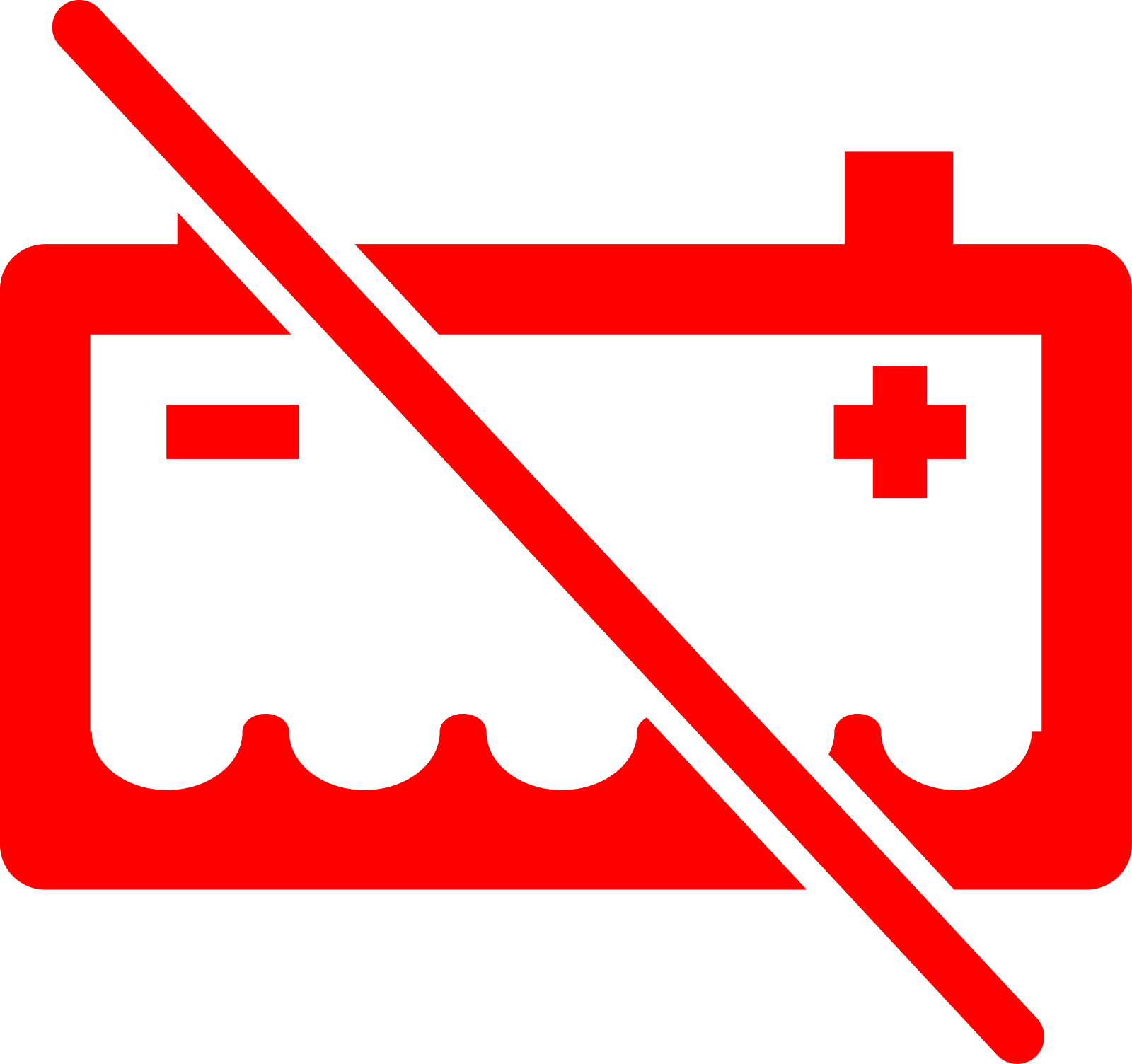
Battery / charging
StopThe battery is not being charged — usually an alternator or drive-belt fault.
What to do: Switch off non-essential electrics and head somewhere safe. The car may stop once the battery is flat.

Brake system
StopHandbrake on, low brake fluid, or a serious brake fault.
What to do: If the handbrake is fully off and it stays on, stop and check the brake fluid. Do not drive if the pedal feels soft or drops to the floor.


Parking brake
StopThe parking brake is applied or has a fault.
What to do: Release the parking brake before driving. If it stays on with the brake released, get it checked.


Airbag / SRS
StopA fault in the airbag or seatbelt system — airbags may not deploy in a crash.
What to do: Get it diagnosed. It is usually safe to drive carefully, but have it fixed promptly.


Seatbelt
StopA seatbelt is not fastened.
What to do: Fasten all seatbelts before moving off.
Amber — check soon
Amber means something needs attention. It is usually safe to drive gently, but don't ignore it — book the car in for diagnosis.

Check engine / MIL
CautionAn emissions or engine-management fault has been logged.
What to do: Safe to drive gently. Book diagnostics — don't ignore it, as a small fault can turn into a bigger one.

ABS
CautionAnti-lock braking is disabled. Normal braking still works.
What to do: Drive carefully, allow longer stopping distances on slippery roads, and get it diagnosed.


Tyre pressure / TPMS
CautionOne or more tyres are significantly under-inflated.
What to do: Check the pressures at the next opportunity. If it flashes, a rapid loss may be happening — stop and check.

DPF (diesel)
CautionThe diesel particulate filter is blocked or a regeneration has failed.
What to do: Follow the handbook regeneration procedure. If it persists, book a diagnostic check to avoid expensive damage.


ESP / traction control
CautionStability or traction control is switched off, or a fault is present.
What to do: If you switched it off, that's fine. If it appeared on its own, get it checked.

Glow plugs (diesel)
CautionDiesel glow-plug preheat; if it stays on or flashes, there is a fault.
What to do: Wait for it to go out before starting. If it stays on, get it checked.


AdBlue / DEF (diesel)
CautionAdBlue is low, or a system fault exists.
What to do: Top up AdBlue. If it is a fault, get it diagnosed to avoid a no-start lockout.


Low fuel
CautionFuel level is critically low.
What to do: Refuel at the next opportunity. Running dry can pull debris through the fuel system.


Speed limiter (LIM)
CautionA speed limiter is active.
What to do: Normal operation — the car will not exceed the set speed until you switch it off.


Frost / icy road
CautionOutside temperature is at or below freezing.
What to do: Take care — black ice may be present even if the road looks clear. Normal operation.
Green & blue — information
Green and blue lights simply tell you a system is on or working normally. No action needed.


Cruise control
InfoCruise or a speed limiter is active.
What to do: Normal operation.


Stop–start
InfoEngine auto stop–start is available or active.
What to do: Normal operation.


Dipped headlights
InfoSide or dipped lights are on.
What to do: Normal operation.


Indicators / hazards
InfoIndicators or hazard lights are active.
What to do: Normal operation.


Main beam
InfoMain beam is switched on.
What to do: Dip main beam for oncoming traffic.
More warning lights by system
Beyond the colour-coded basics, these telltales cover specific vehicle systems — grouped here by the area of the car they relate to.
Brakes

Brake pad wear
CautionBrake pads are approaching the minimum thickness.
What to do: Book a brake inspection soon — delaying risks damage to the discs.
Transmission

Transmission / gearbox fault
StopA transmission fault has been detected.
What to do: Stop safely and arrange recovery. Continuing can cause serious gearbox damage.

Gearbox oil overheating
StopGearbox oil temperature is too high.
What to do: Stop and let it cool. Driving on risks gearbox failure — get it checked before continuing.
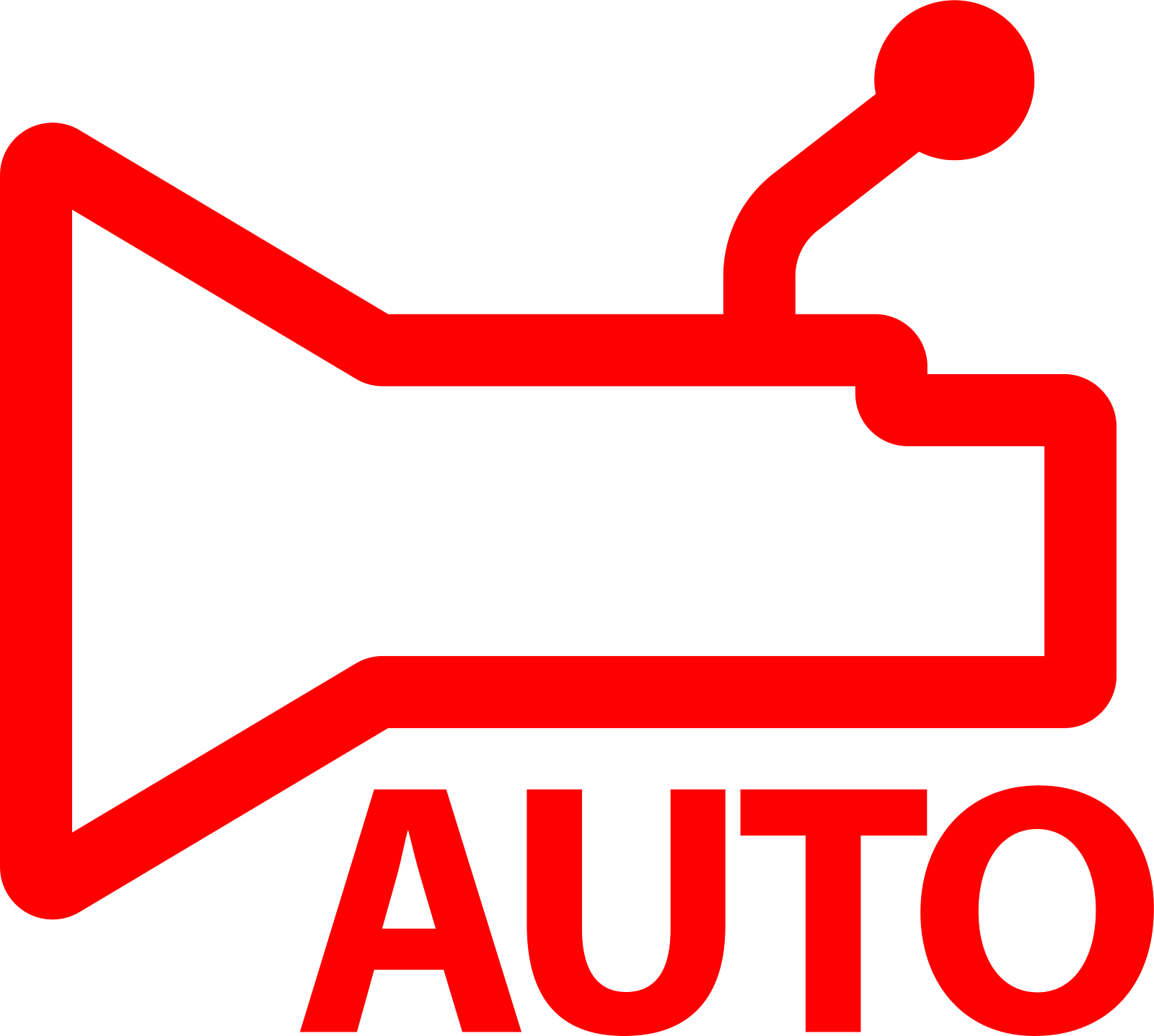
Automatic transmission
StopAutomatic transmission fault — the gearbox may be in limp mode.
What to do: Stop safely and arrange recovery, or drive gently to a workshop if it is safe to do so.
Engine

Severe engine fault
StopA serious engine fault has been detected.
What to do: Stop safely and switch off. Arrange recovery — do not drive on.

Engine power reduced (limp-home)
CautionPower is limited to protect the engine.
What to do: Drive gently to a workshop and book diagnostics. Don't ignore it.

Engine electronics fault
CautionA sensor, throttle or engine-management issue.
What to do: Drive gently and book diagnostics.

DPF soot overload
CautionDiesel particulate filter soot load is high — regeneration is needed.
What to do: Carry out the handbook regeneration drive. If it persists, book a check to avoid a blocked filter.

General warning
CautionCheck the message in the cluster for detail.
What to do: Read the dash message and act on it. If unsure, book diagnostics.

Service due
CautionA service or inspection is due.
What to do: Book a service. See our servicing page or the manufacturer guides below.
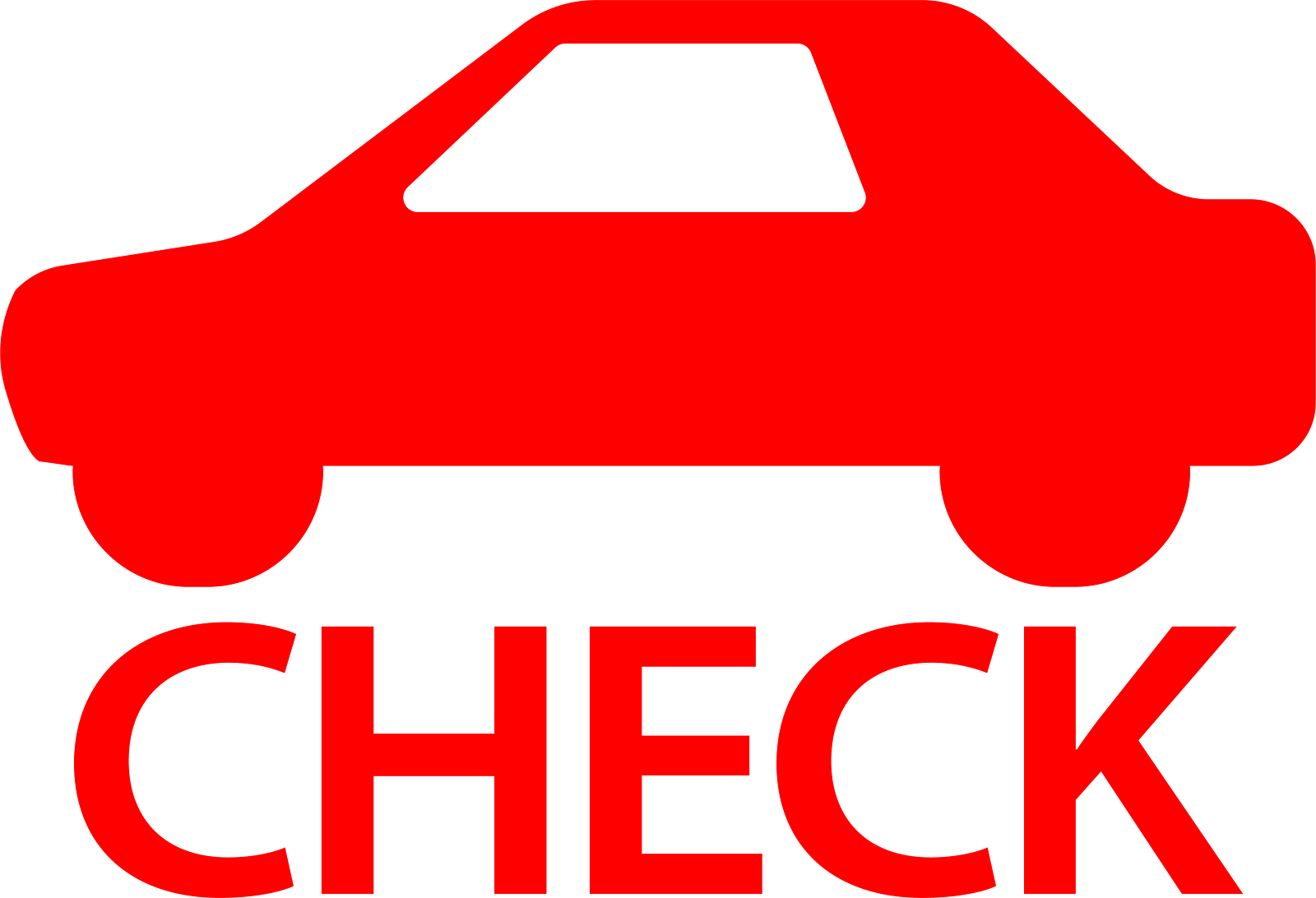
Vehicle check / inspection due
StopAn inspection service is due or overdue.
What to do: Book an inspection service promptly.
Body & security

Windscreen / camera system
CautionWindscreen damage or a camera-system issue (lane-keep / AEB camera blocked).
What to do: Check the windscreen and camera area. Get the camera system checked if the warning persists.

Door / boot open
StopA door or the boot is not fully closed.
What to do: Stop safely and close all doors and the boot before continuing.
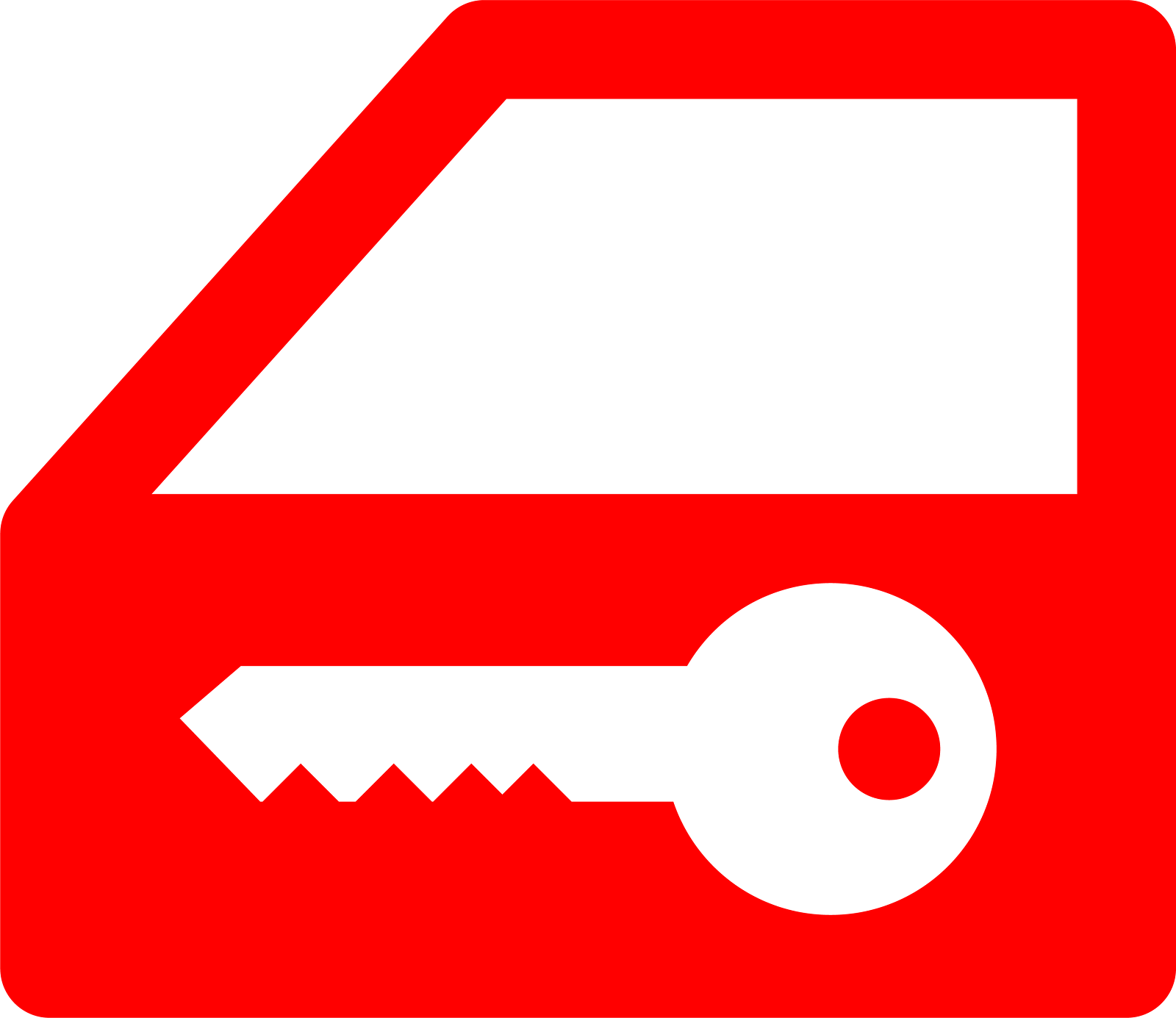
Door lock fault
StopA door lock has a fault.
What to do: Check the door latches. Get it diagnosed — a faulty lock can stop the car locking securely.

Central locking / alarm
StopCentral locking or the security alarm has a fault.
What to do: Get it diagnosed — the car may not lock or alarm correctly until it's fixed.

Key / immobiliser fault
StopThe immobiliser can't read the key — the car may not start.
What to do: Try the spare key. If it persists, get it diagnosed — an immobiliser fault can leave you stranded.
Suspension

Air suspension / self-levelling
CautionAir suspension or self-levelling fault.
What to do: Drive gently and avoid heavy loads. Book diagnostics — riding on the bump stops damages the system.

Four-wheel drive / differential
Caution4WD or differential lock fault or status.
What to do: If unexpected, get it checked. Continuing with a 4x4 fault can damage the drivetrain.
MANUFACTURER-SPECIFIC GUIDES
Want the detail for your make?
Service and warning-light systems vary by manufacturer. We have dedicated, icon-led guides for the makes we specialise in — including the full VW Group badge-by-badge breakdown:
Symbol appearance varies between makes and models. This guide is a general reference — always confirm against your vehicle handbook, and contact a specialist if you are unsure.
NEXT STEP
Having this problem with your vehicle?
Contact Jono's Vehicle Solutions for advanced diagnostics and fault finding in Telford, Shropshire. You don't need to know exactly what's wrong — describe the symptoms and we'll take it from there.