VW Group Service & Warning Lights Explained
Volkswagen Group cars (VW, Audi, Škoda, SEAT and CUPRA) share the same service-reminder and warning-light systems. This guide explains how they work and what the symbols mean — for badge-by-badge detail, see our individual guides below.
Service regimes: Fixed vs LongLife
VW Group vehicles are set to one of two service regimes at the factory. The regime affects when the service light comes on.
Fixed / Time & Distance
Servicing on a set schedule — typically every 12 months or 10,000 miles, whichever comes first. Used on many cars and recommended for harder-working vehicles.
LongLife / Flexible (QG0/QG1/QG2)
Sensors and driving data extend the interval — up to around 18,000–19,000 miles or 2 years on suitable models. The car decides when the next service is due.
The service reminder symbols
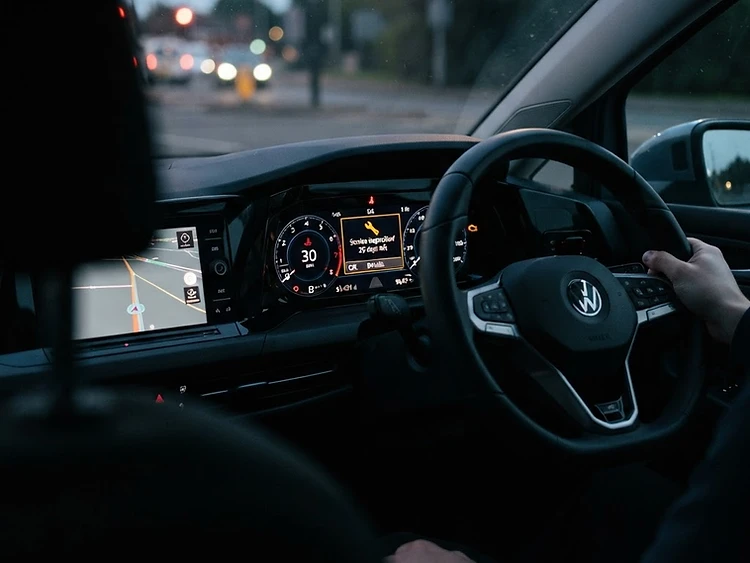
When a service is approaching or due, the instrument cluster shows a spanner/wrench symbol and a message. The countdown appears in kilometres and/or days.

Service wrench (approaching / due)
The spanner symbol with a countdown means a service is approaching; a solid spanner means it is due now.

Oil change service
The oil-can telltale flags the routine oil-change service. VW Group alternates this with the fuller inspection service.

Inspection service
A wrench with a clock marks the fuller inspection service, due on a longer cycle than the oil change.
Resetting the service light
On older VW Group cars the service indicator can be reset from the dashboard (typically with the ignition off, holding the trip button, switching the ignition on and waiting for the display to clear). On modern models the reset is done through the infotainment menu or with diagnostic equipment (ODIS / a suitable tool) so the next interval is set correctly. If you are unsure, have it reset as part of the service — an incorrect reset leaves the next countdown wrong.
Common VW Group warning lights

EPC (Electronic Power Control)
Engine-management or throttle fault. Drive gently and book diagnostics.

Engine / emissions (MIL)
An emissions-related fault is logged. Get it diagnosed; don't ignore.
Oil pressure
Stop as soon as safe and switch off. Check oil; do not drive with this on.


Coolant / temperature
Overheating. Stop and let it cool before checking coolant.
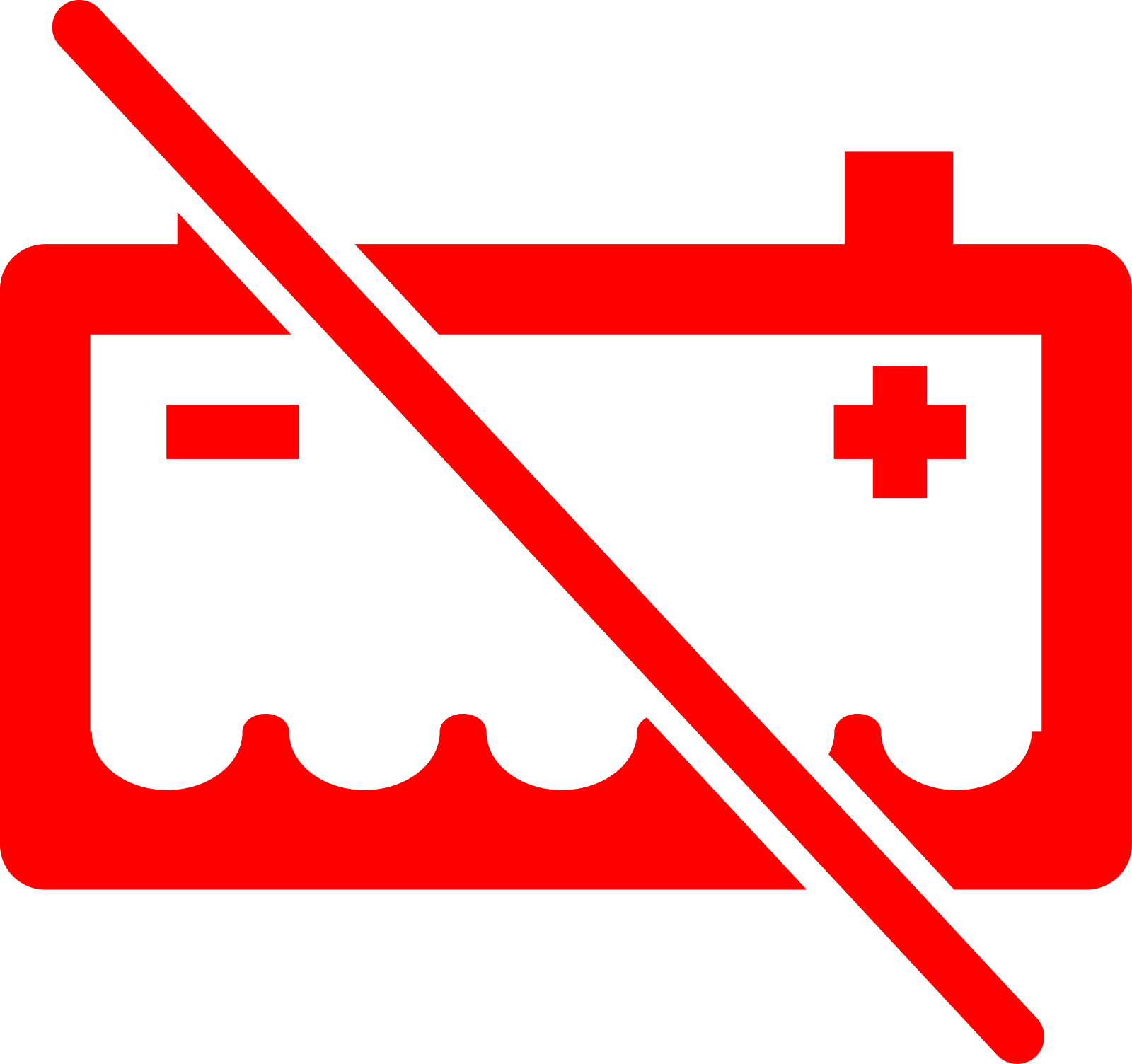
Alternator / charging
Not charging. Turn off electrics and reach safety — the car may stop.

Brake pad wear
Brake pads are low. Book a brake inspection soon.

ABS
Anti-lock braking is off. Normal brakes work; get it diagnosed.


Airbag / SRS
Airbag fault. Get it checked — airbags may not deploy.


Tyre pressure / TPMS
Check tyre pressures. If flashing, stop and check for a puncture.

DPF (diesel)
Particulate filter blocked or regeneration failed. Book a check to avoid damage.


AdBlue / DEF (diesel)
Low AdBlue or a system fault. Top up or diagnose to avoid a no-start.


EPB / electronic handbrake
Parking brake fault or applied. If it stays on with the brake released, get it checked.
ABOUT EPC
What does EPC mean?
EPC (Electronic Power Control) is a VW Group-specific amber warning. It signals a fault in the engine-management or electronic throttle system — common causes include a faulty throttle body, brake-light switch, sensor or wiring. It is usually safe to drive gently to a workshop, but the car may run in a reduced-power mode. Book diagnostics rather than ignoring it.
BADGE-BY-BADGE GUIDES
Warning lights for each VW Group badge
The telltales are the same across the group, but each badge presents them differently. We have a dedicated icon-led guide for each:
Symbols and reset procedures vary between VW Group models and years. Always confirm against your handbook, and use a specialist if you are unsure. JVS is an independent VW Group specialist in Telford — see our VW Group services.
NEXT STEP
Having this problem with your vehicle?
Contact Jono's Vehicle Solutions for advanced diagnostics and fault finding in Telford, Shropshire. You don't need to know exactly what's wrong — describe the symptoms and we'll take it from there.