VW GROUP MAINTENANCE // 2026-10-28 // 2 min read
VW Group DSG Servicing — Oil and Filter Intervals Explained
DSG servicing intervals vary by gearbox: dry-clutch DQ200 and wet-clutch DQ250/381/500 units need different fluids at different intervals. Here's what a proper service includes and the symptoms of overdue fluid.
Two very different gearboxes, two different schedules
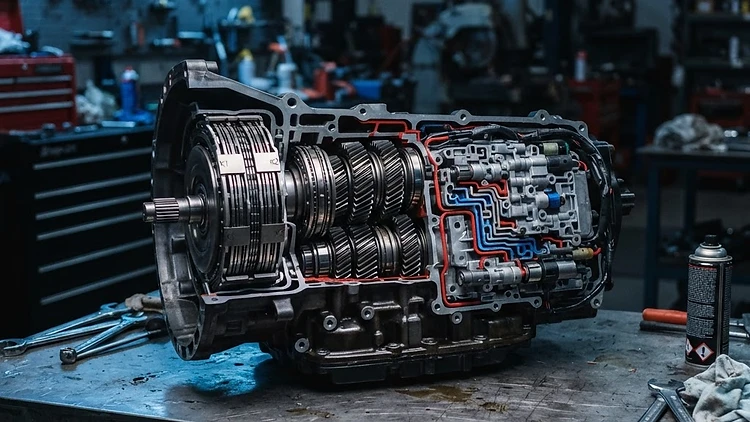
DSG servicing depends entirely on which unit your car has. The two families behave differently:
DQ200 — 7-speed dry clutch (fitted to many 1.4 TSI, 1.5 TSI and lower-torque models). The clutch itself runs dry, but the mechatronic unit has its own hydraulic circuit with a small fluid fill. This fluid is due roughly every 40,000 miles on most applications, and some later revisions specify a longer interval — check your model's schedule.
DQ250 / DQ381 / DQ500 — wet clutch (fitted to higher-torque models including 2.0 TSI, GTI, R, diesel automatics). The clutch pack runs in oil, and the oil and filter are due around every 40,000–60,000 miles depending on generation. Wet-clutch units are generally more durable but cost more to service.
Neglecting either leads to shift quality complaints long before a warning light appears.
Symptoms of old DSG fluid
- Jerky or hesitant low-speed changes, especially when creeping in traffic
- Harsh engagement from a standstill
- Slipping or flaring between gears
- Juddering on take-off in wet-clutch units
- A general feeling that the box is "thinking" before it shifts
These improve dramatically after a correct service — but if judder persists, it can also mean clutch wear, and that needs diagnosis rather than another fluid change. See our DSG gearbox warning guide for that side of things.
Why the fluid specification matters
DSG fluid is not generic ATF. The friction characteristics of the wet-clutch fluid directly control how the clutches engage, and the dry-clutch mechatronic fluid has its own specification. Using the wrong fluid causes poor shift quality and can damage the mechatronic unit. This is one service where correct parts and fluid are non-negotiable.
What a proper DSG service includes
- Draining the old fluid completely
- Replacing the filter (wet-clutch units) or the mechatronic fluid and filter (DQ200, as applicable)
- Refilling with the correct specification fluid, measured by temperature with diagnostic equipment on wet-clutch units — the level is set within a specific fluid temperature window, which cannot be done accurately without diagnostics
- Resetting adaptations so the gearbox relearns clutch bite points
- A road test through the full shift range
That last point separates a proper service from a quick drain and fill: the level setting procedure alone requires manufacturer-level equipment.
We carry out DSG servicing at our Telford workshop — see servicing and maintenance and VW Group specialist services.
Related reading
This article is general guidance for UK-market VW Group vehicles. Always check your model's service schedule for the correct interval and fluid specification.